
I help you understand what’s really behind the problems you’re dealing with
I’m Kevin Gibbs, and I’ve spent over 13 years helping people with their wellbeing in both English and Finnish. I started out in exercise and physical wellbeing, but over the years I’ve also studied stress, emotional wellbeing, behaviour and ADHD. I have ADHD myself, so that’s something I know from personal experience too.
These days, I’m particularly interested in understanding what’s really causing the problems someone is dealing with. I want to understand each client’s situation properly so that my coaching can be as effective as possible.

Why I look at more than one thing at a time
Over the years, I’ve noticed that when someone comes to me about something like stress at work, there are often other things going on too. Months of poor sleep or a difficult atmosphere at home can make getting through the working day much harder.
And of course, stress from work can make sleep worse and leave you more irritable at home. Before long, you’ve got one problem making another worse.
That’s why I don’t focus only on the problem someone originally contacted me about. I’ll ask about sleep, relationships, everyday habits and other things that might be involved.
Once we understand what’s going on a bit better, we can work out what needs attention first.

I learned a lot the hard way
I was badly bullied at school for several years. Later, I struggled with severe irritable bowel syndrome (IBS), stress and poor sleep. I also pushed myself far too hard, both at work and in training.
Whenever I ran into problems, I’d either push even harder or look for someone who could give me a clear, simple solution to everything I was dealing with.
That didn’t work particularly well.
Things got worse after I became a father. I was constantly exhausted and in pain, and at one point I was suicidal.
The turning point came when I was so tired and in so much pain that I lost my temper and shouted at my lovely six-month-old son. He froze in fear, and I felt like I was worth nothing.
Just a few minutes later, his mother and I were crying and talking about how I wanted to kill myself. Then my son laughed.
That laugh made me realise he needed me. I had to change so I could be a good father to him and give him the best life I possibly could.
Things didn’t magically get better. It took years to work through the problems, but I started to feel better fairly quickly.
I began learning how to calm myself down, understand my emotions and recognise why I reacted the way I did. I also sought help from people who didn’t just give me answers, but taught me ways to help myself.
Gradually, my physical symptoms began to ease too. My IBS has been almost entirely symptom-free for years now, and I’ve learned to handle stress and difficult emotions very differently from how I used to.
All of this taught me just how much different parts of our lives can affect each other. My gut problems, for example, weren’t just about my gut. Stress, emotions and habits I’d picked up over the years were part of the picture too.
Ever since, I’ve wanted to understand my clients’ problems just as thoroughly. I’m not looking for one magic fix that makes everything go away. I want to understand what might be contributing to the problems and how we can best start tackling them.
How that shapes the way I coach
If you’ve been dealing with the same problem for years, you’ve probably spent plenty of time thinking about what’s causing it. You might even be certain you know the reason.
But what if there’s something you haven’t considered?
When I talk with clients, I often notice connections between things they’ve mentioned. Sometimes a passing comment catches my attention, even though the client doesn’t think it matters much.
That might lead me to ask an unexpected question or take the conversation in a completely different direction. Sometimes that’s where we find something that helps us understand the problem better.
I’m also pretty direct.
If a client tells me they’re completely exhausted but keeps trying to fix it by working even harder, I might tell them straight that the way they’re handling things sounds like part of the problem.
I don’t assume my first thought is always right, though. I can be wrong, and clients are welcome to tell me. Sometimes what a client says changes how I see the whole situation.
I think coaching should be a place where we can talk openly, even about uncomfortable things. There’s not much point in me nodding along and saying only what someone wants to hear.
I want to help people understand themselves better and find things they can keep using long after they’ve stopped working with me.
Why I’ve studied so many different things
When I first started coaching, I was mostly focused on exercise and physical wellbeing. But I realised fairly quickly that training alone wasn’t going to solve everything.
Muscle pain, for example, isn’t always caused by weak muscles or poor mobility. Stress, poor sleep and all sorts of other things can affect the way our bodies feel and function.
I kept coming across things I didn’t understand well enough, so I kept studying.
Over the years, that took me into massage, nutrition, how the body works, psychology-informed approaches, behaviour change and communication.
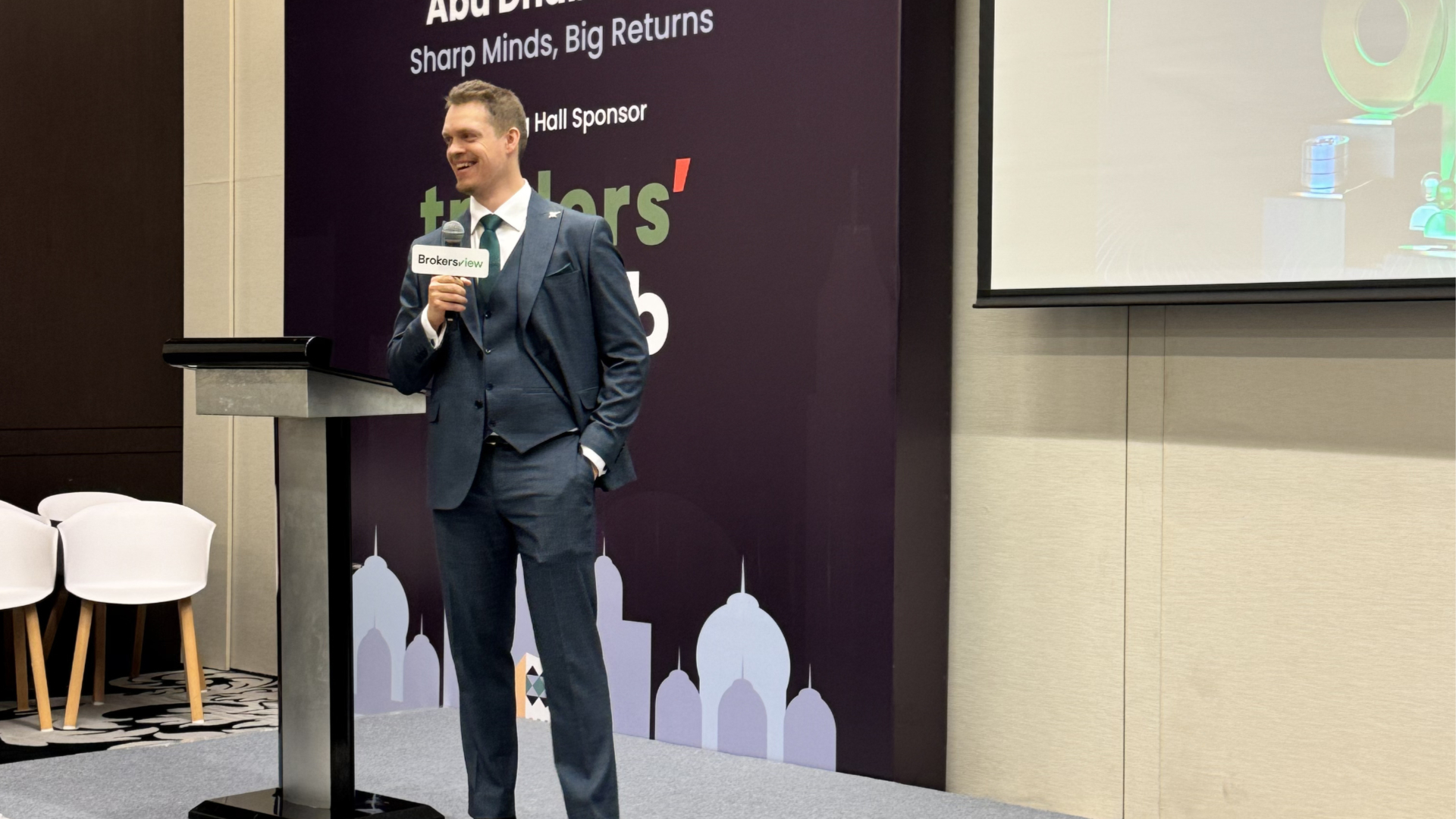
My work also expanded beyond one-to-one coaching to training other professionals, running workshops, working with companies and speaking at international events.
I keep studying because learning new things genuinely fascinates me. It helps me keep growing, both as a person and as a coach.
Training and professional background
Physical wellbeing, exercise and bodywork
I’m a qualified personal trainer and a trained masseur. I’ve also studied NeuroKinetic Therapy, Health 4 Performance fascia work, CrossCore Coach and Training For Warriors, alongside strength training and bodyweight training.
I’ve attended courses run by the Finnish Street Workout Association and other training related to movement and physical wellbeing.
Emotional wellbeing and behaviour
I’ve studied schema-informed approaches, Emotional Freedom Techniques (EFT), behaviour change and self-awareness.
I find it particularly interesting how childhood experiences and habits we pick up over the years can still shape how we think, feel and behave as adults.
Stress, sleep, nutrition and recovery
I’ve completed Precision Nutrition Level 1, which focuses on nutrition coaching and behaviour change.
I’ve also spent a lot of time learning about stress, sleep, recovery and everyday habits through study, client work and personal experience.
Communication, teaching and professional work
I’ve studied communication skills and personal development, and completed Finnish First Aid EA1 training.
I’ve also trained other professionals, run workshops, worked with companies and spoken at international events.
I take the work seriously. Myself, somewhat less so.
I care enormously about what I do. Outside work, I train, read far too much, play board games, listen to a ridiculous amount of music and make jokes of questionable quality.
At one point I also thought a fedora and a massive gold chain were an excellent outfit. Opinions may differ.
Humour finds its way into my coaching too. Even when we’re talking about difficult things, we don’t have to be deadly serious all the time.
I think you can take a problem seriously and still have a laugh. Sometimes a bit of humour makes it easier to talk about something that would otherwise feel really difficult.
And if one of my jokes is terrible, you’re welcome to say so.

A quick note about the kind of help I provide
I offer personal coaching and wellbeing support. I’m also a trained masseur registered as a healthcare professional in Finland.
In coaching, we might work on stress, emotions, behaviour, relationships, communication, everyday habits, sleep, recovery or physical wellbeing.
I don’t start with every client in the same way or use the same methods for everyone. We focus on the areas I think will be most useful for you.
It’s important to know that my coaching isn’t psychotherapy, psychiatric treatment, medical diagnosis or medical treatment. It isn’t emergency mental-health care either.
If I think you need help that’s outside my qualifications or what I can offer, I’ll say so. Where appropriate, I’ll suggest speaking to another professional.
Where to go from here
If you’d like to learn more about wellbeing and try things at your own pace, you can explore the Academy’s articles, podcasts and other resources.
If you’d prefer personal help, you can explore the ways we could work together or book a free call. We can talk through what’s going on and see whether I might be able to help.
Coaching is available online and face to face.